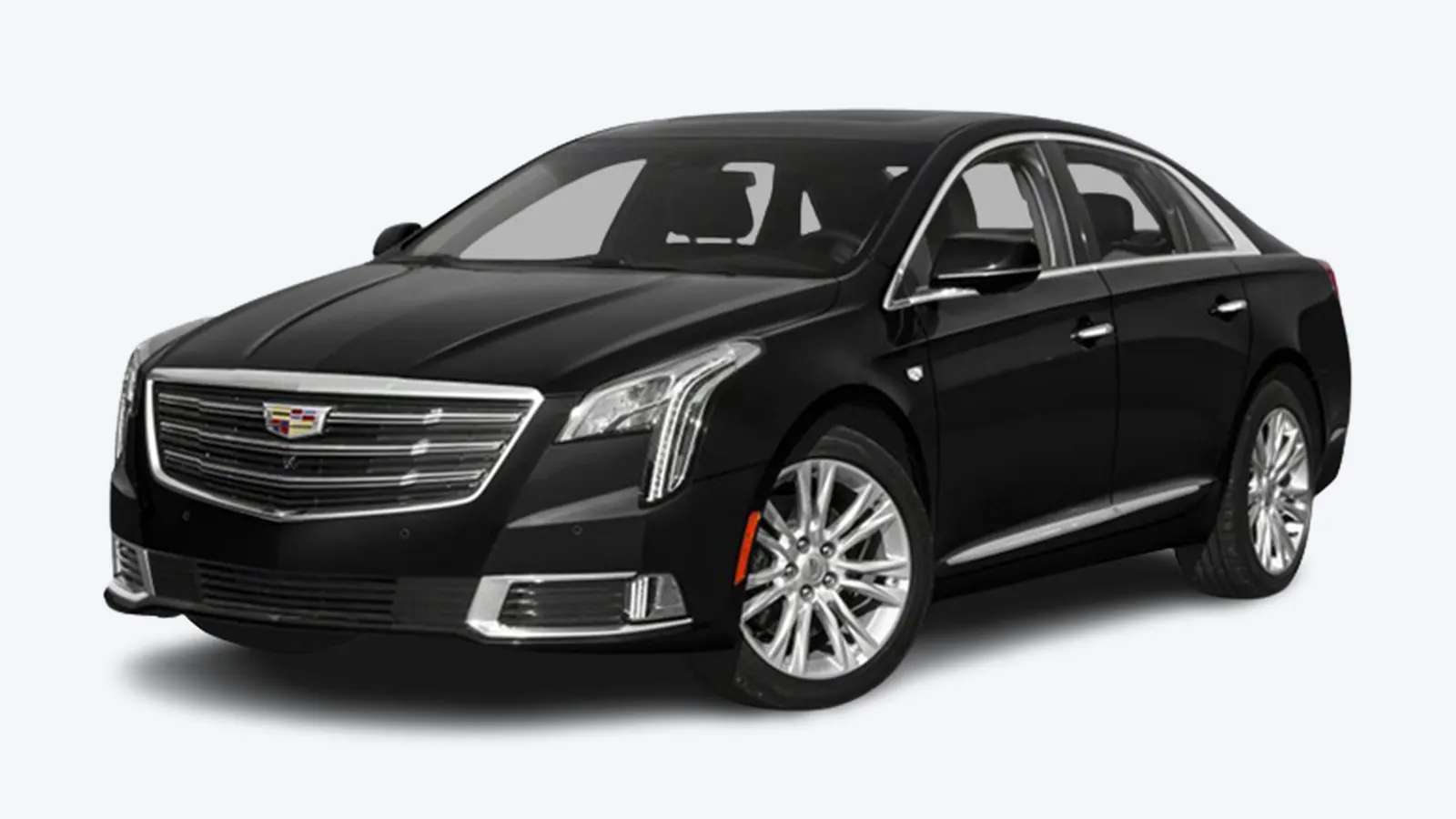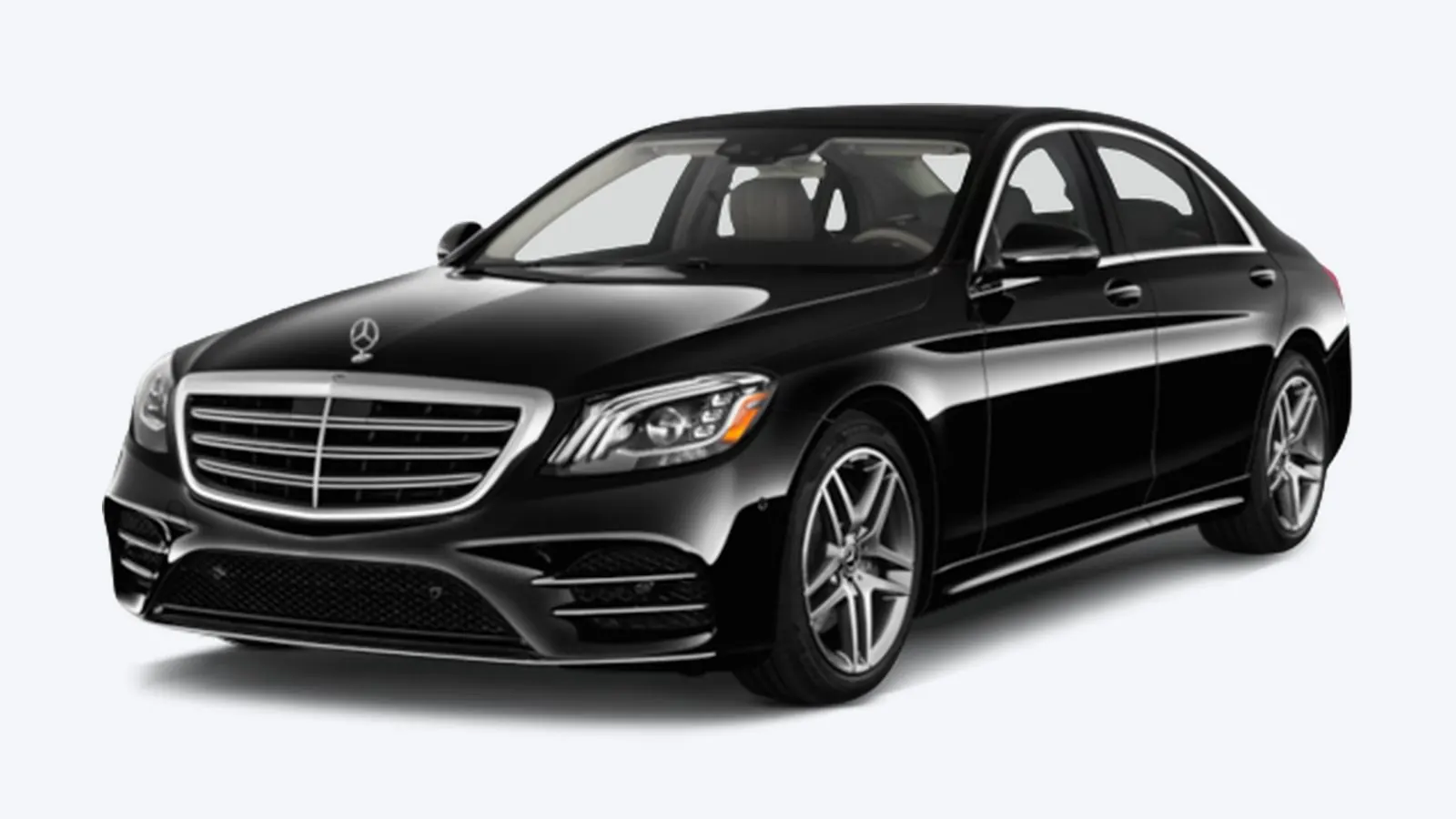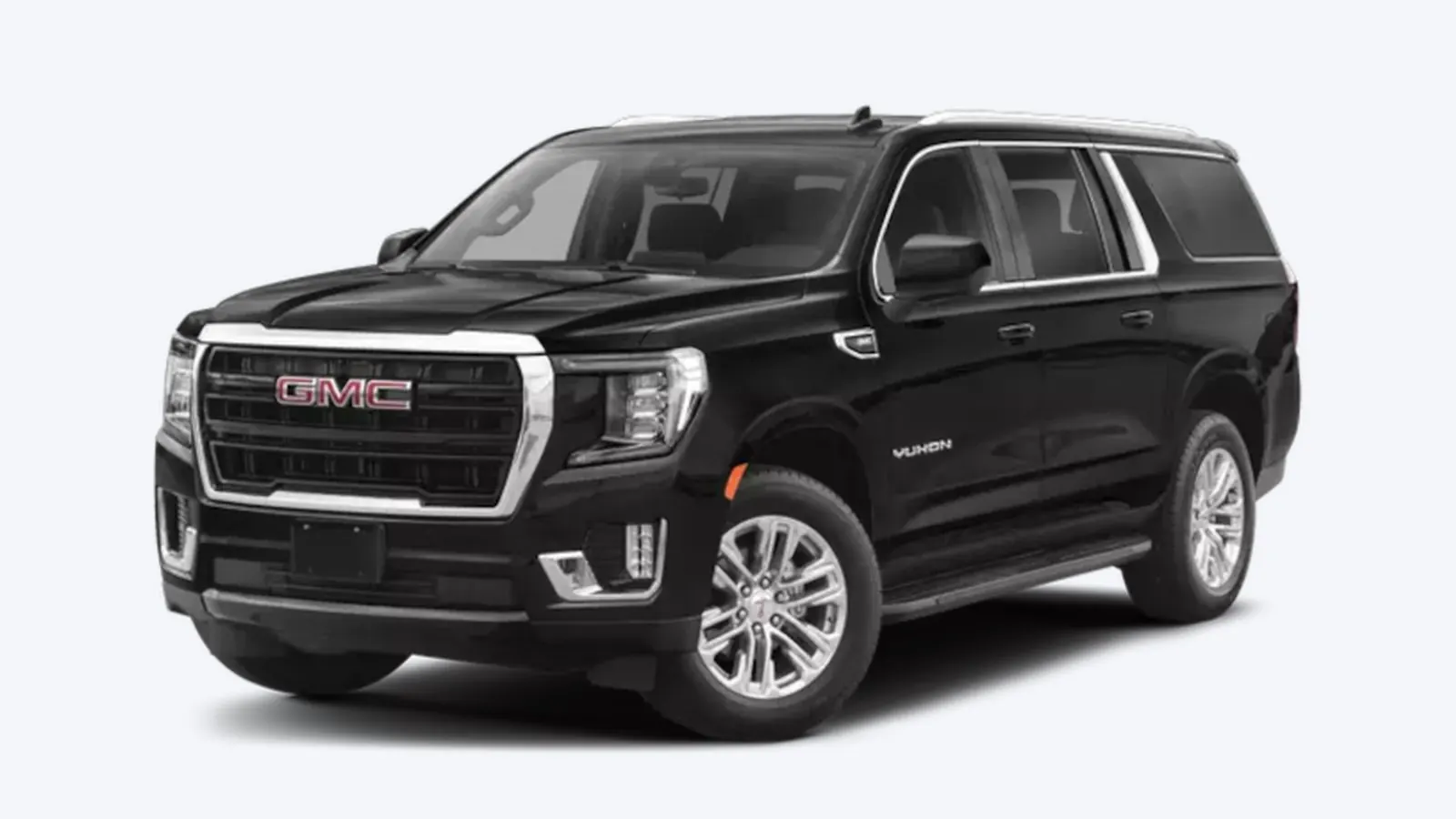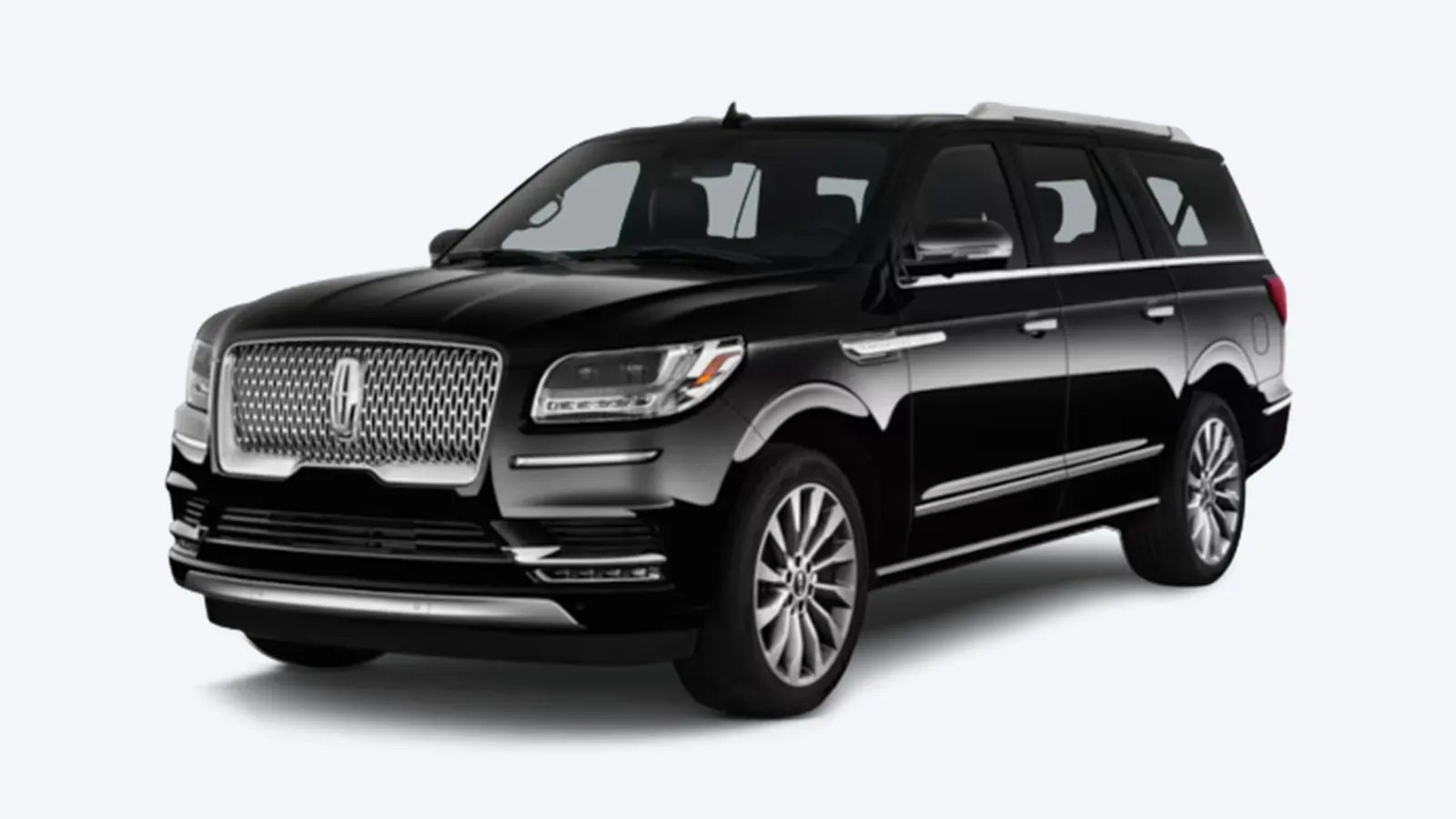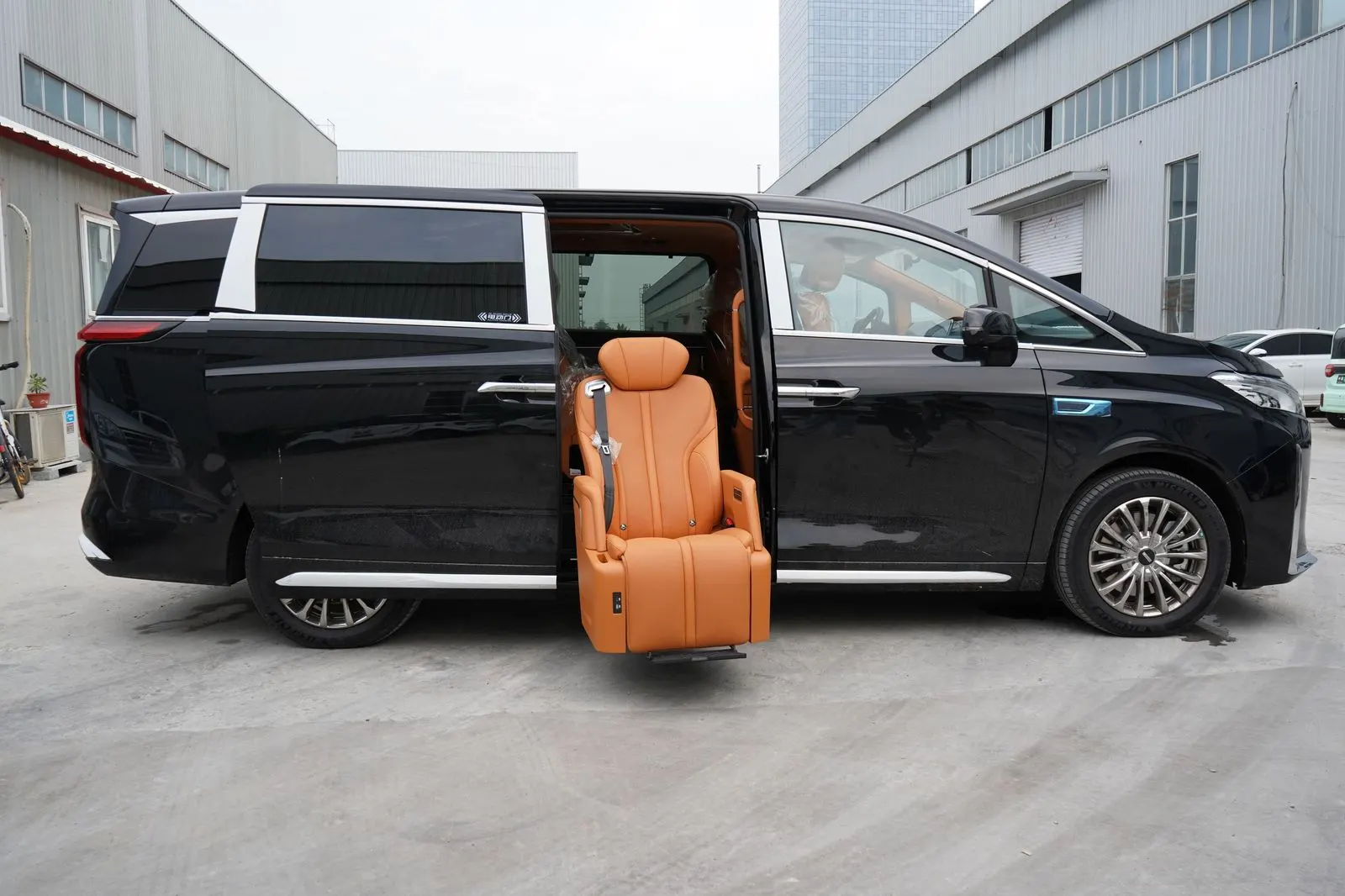










































































































RideRutz.com's armored car service supplies a discreetly protected sedan or SUV with a security-trained chauffeur for a principal, a mission or a close-protection team. Every armored vehicle is quoted in writing, to the security adviser's specification and only where the host country's law allows. Our unarmored classes are available from $155 an hour all-in for follow cars, staff and luggage.
What an armored car is, and what it is not
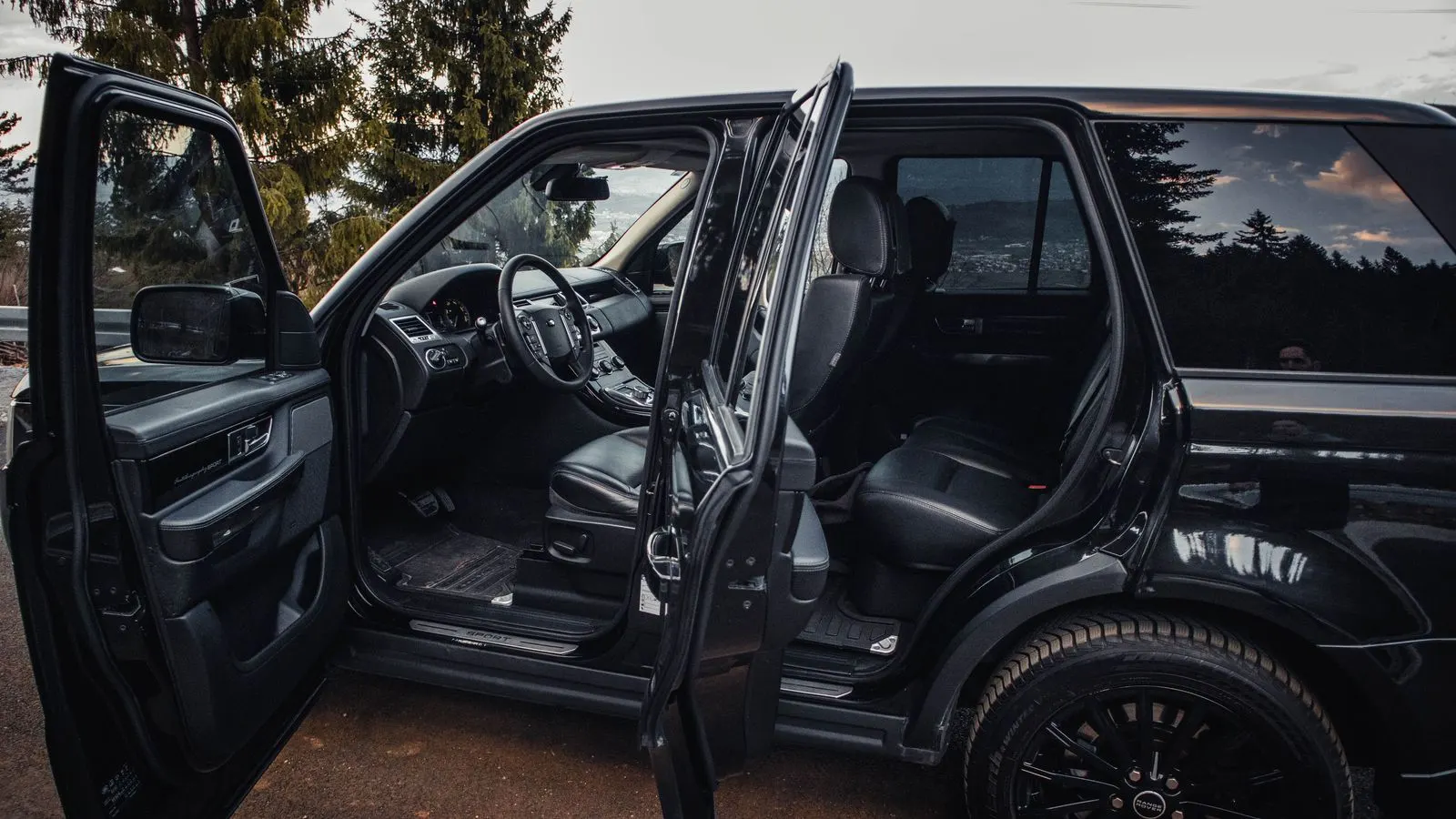
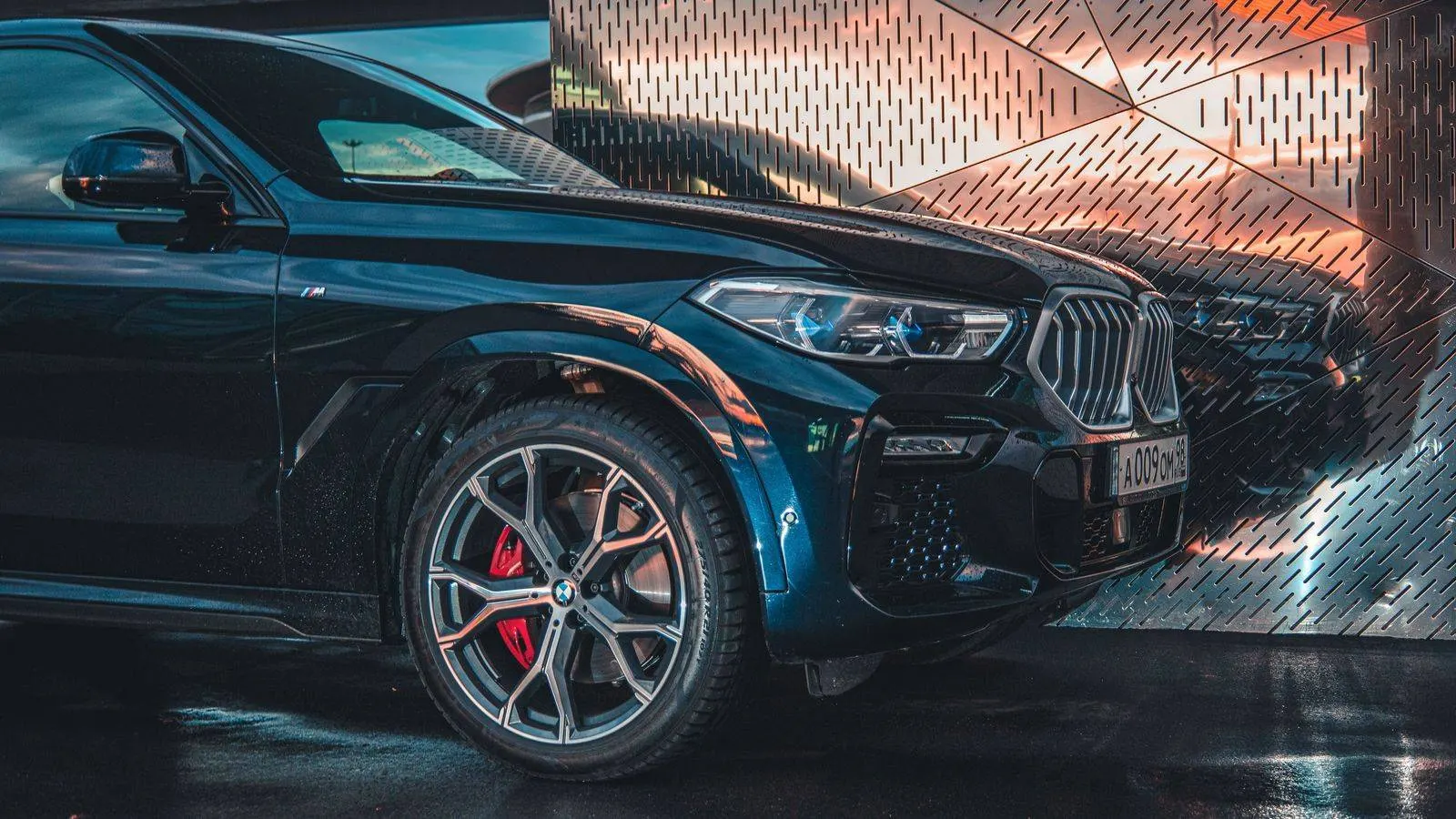
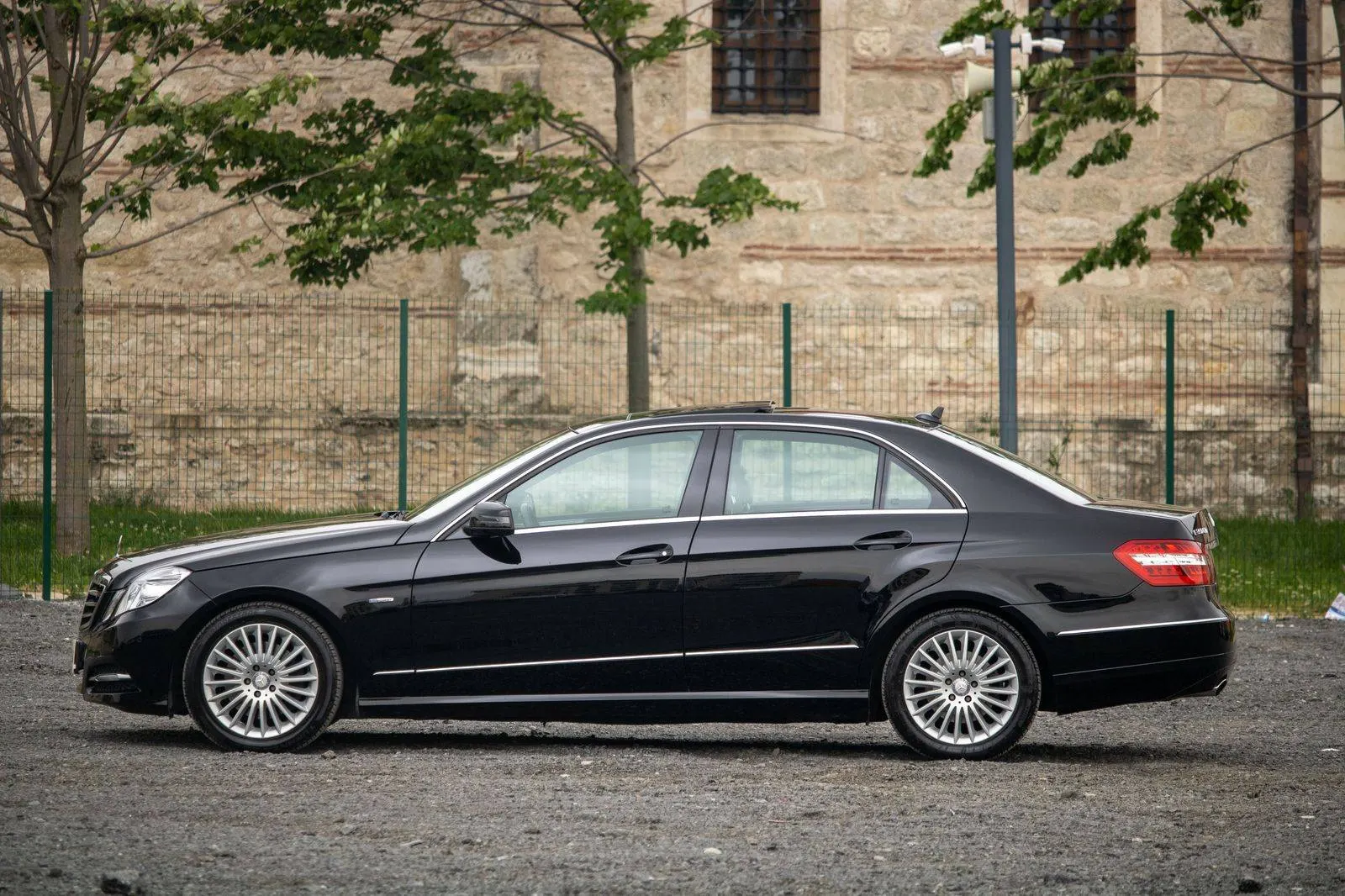
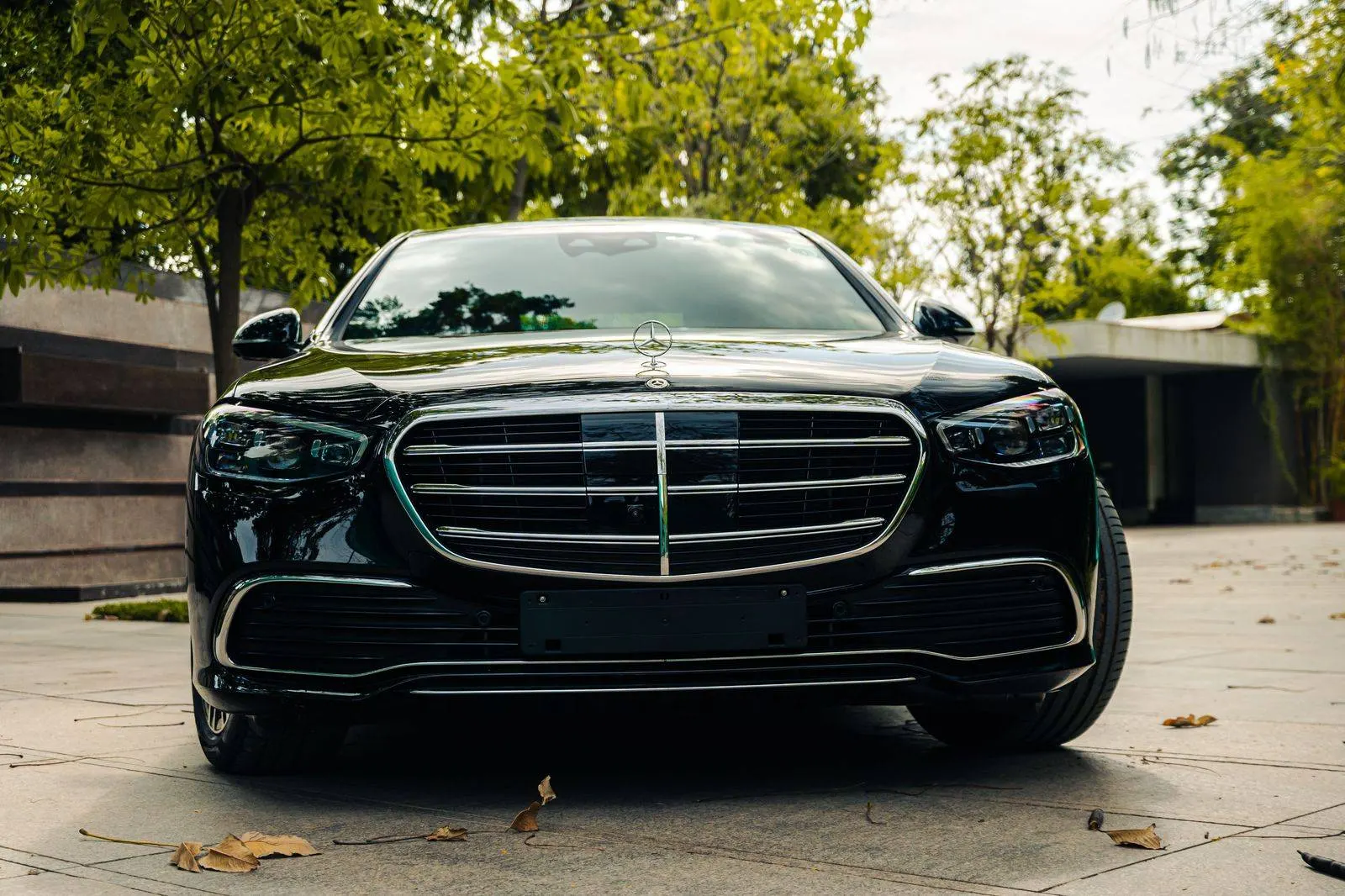
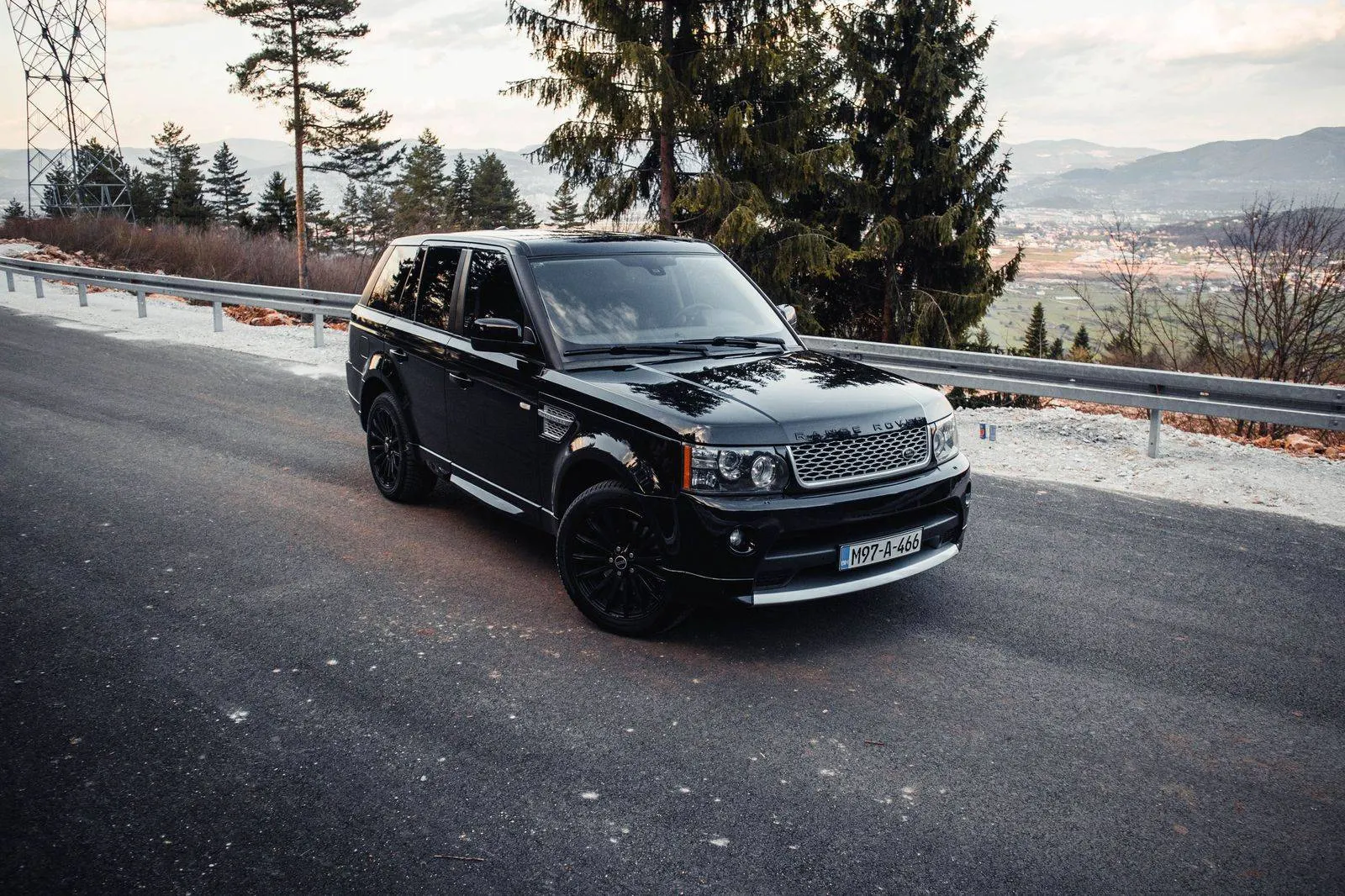
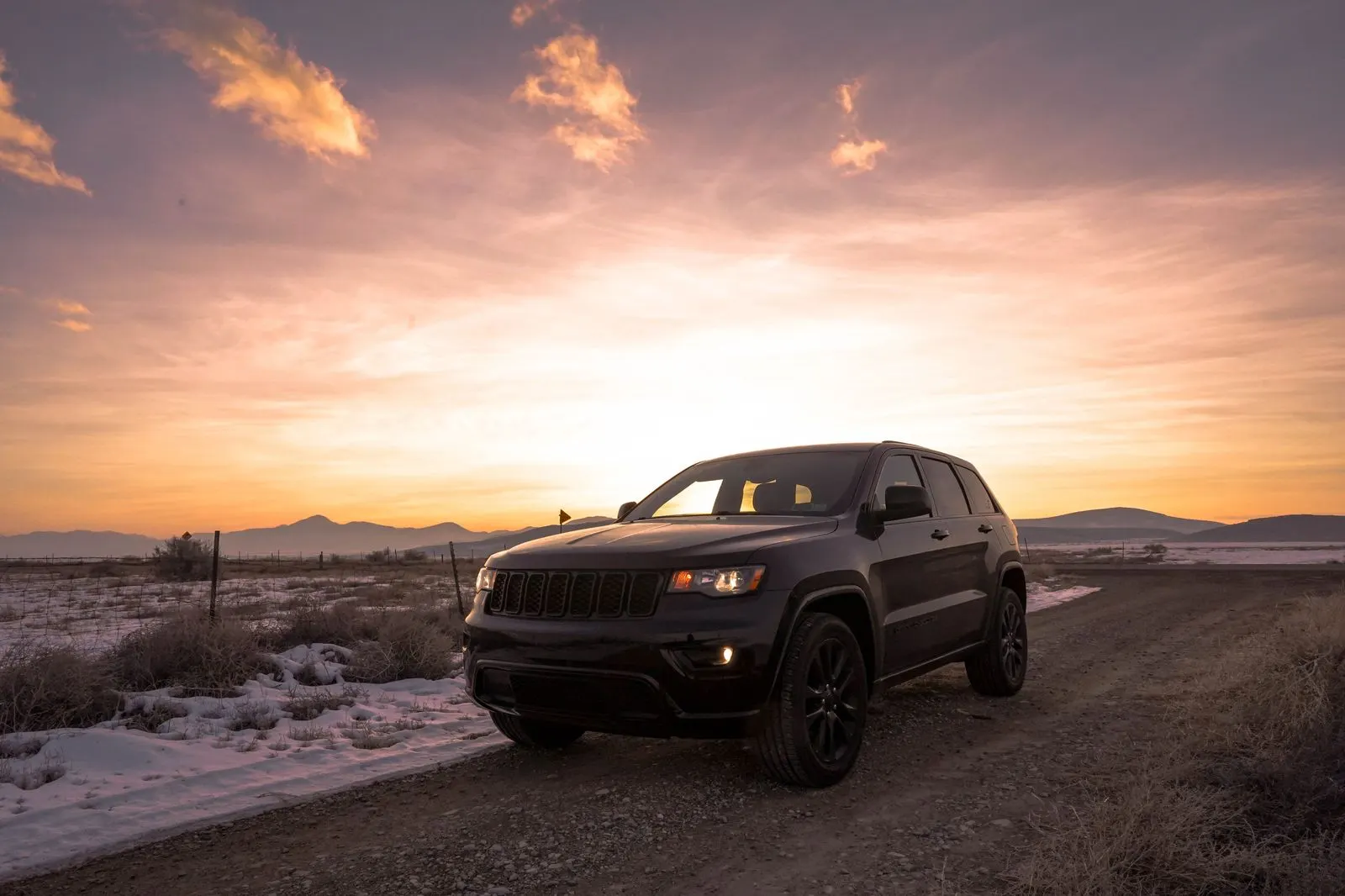
An armored car for VIP use looks, from the outside, like any late-model luxury sedan or SUV: an S-Class, a 7 Series, an Escalade, a Suburban, a Land Cruiser. Inside the bodywork and behind the glass it carries ballistic protection - steel, aramid or composite panels, multi-layer glazing, reinforced doors, run-flat tyres and a strengthened suspension to carry the extra weight. The protection is rated to a standard that describes what the vehicle has been tested to resist. What an armored car is not is a guarantee. It buys time and distance in an emergency; the plan, the route, the chauffeur and the protection team make the difference.
That is why we do not publish protection levels, prices or lead times on this page. Every armored engagement begins with the security adviser's specification - the level of protection required, the vehicle type, the number of vehicles and the programme - and ends with a written quote that states what can be provided, from whom and when.
Who books armored vehicles
Heads of mission and visiting ministers in cities where their own government's threat assessment calls for protection, usually alongside a diplomatic and consular transportation programme.
Corporate principals whose company security department requires a protected vehicle in certain countries or for certain events - a shareholder meeting under protest, a visit to an operation in an unsettled region, a period after a public threat.
High-net-worth families and public figures whose close-protection team specifies a protected vehicle for the residence, the school run or travel.
Production companies and broadcasters moving talent or journalists in environments where their risk assessment requires it.
The chauffeur matters as much as the car
An armored vehicle is heavier, slower to stop, harder to turn and more demanding on brakes and tyres than the car it resembles. Doors are heavy enough to injure if they swing on a slope. Driving one well is a skill, and driving it in an emergency is a trained one. Armored engagements are therefore always driven by a security-trained chauffeur - a chauffeur with defensive and evasive driving training, experienced with protected vehicles, and comfortable working inside a protection team's procedures. The chauffeur vs security driver guide explains the difference between the two roles, and the discipline of executive protection explains where the driver fits within a detail.
On the day, the chauffeur checks the vehicle before the first movement and after any time it has been left unattended, drives the routes agreed with the detail leader, positions the vehicle for a fast departure at every stop and stays with it. The detail decides; the chauffeur executes.
How an armored engagement is arranged
- The specification. The security adviser or detail leader sends the protection level required, the vehicle type, the number of vehicles, the dates and the cities. Where the adviser prefers, we start from the programme and they confirm the specification.
- Sourcing. The coordinator identifies protected vehicles in the city that match the specification, through operators we work with, and confirms the documentation the adviser asks to see.
- The quote. A written, all-in quote lists each vehicle, its specification as documented, the chauffeur, the hours or days, positioning costs and any import or permit requirements that apply. Nothing is committed until the adviser approves it.
- The confidentiality agreement. A non-disclosure agreement is countersigned before the programme, routes or names are shared beyond the coordinator.
- The rehearsal. Where time allows, the chauffeur drives the primary and alternate routes at the hours of the movements and checks each venue's approach and departure.
Law and availability
Armored vehicles are regulated differently in different countries. Some require permits to own, import or operate them; some restrict the levels of protection available to private clients; some do not allow them at all for private use. We will only supply an armored vehicle where it is lawful to do so, and we will tell you plainly if a specification cannot be met in a city on the dates you need. In those cases, the coordinator proposes what can be done - an unarmored vehicle of the same model to keep the convoy uniform, a security-trained chauffeur, an alternative route or timing - and the adviser decides.
The rest of the convoy
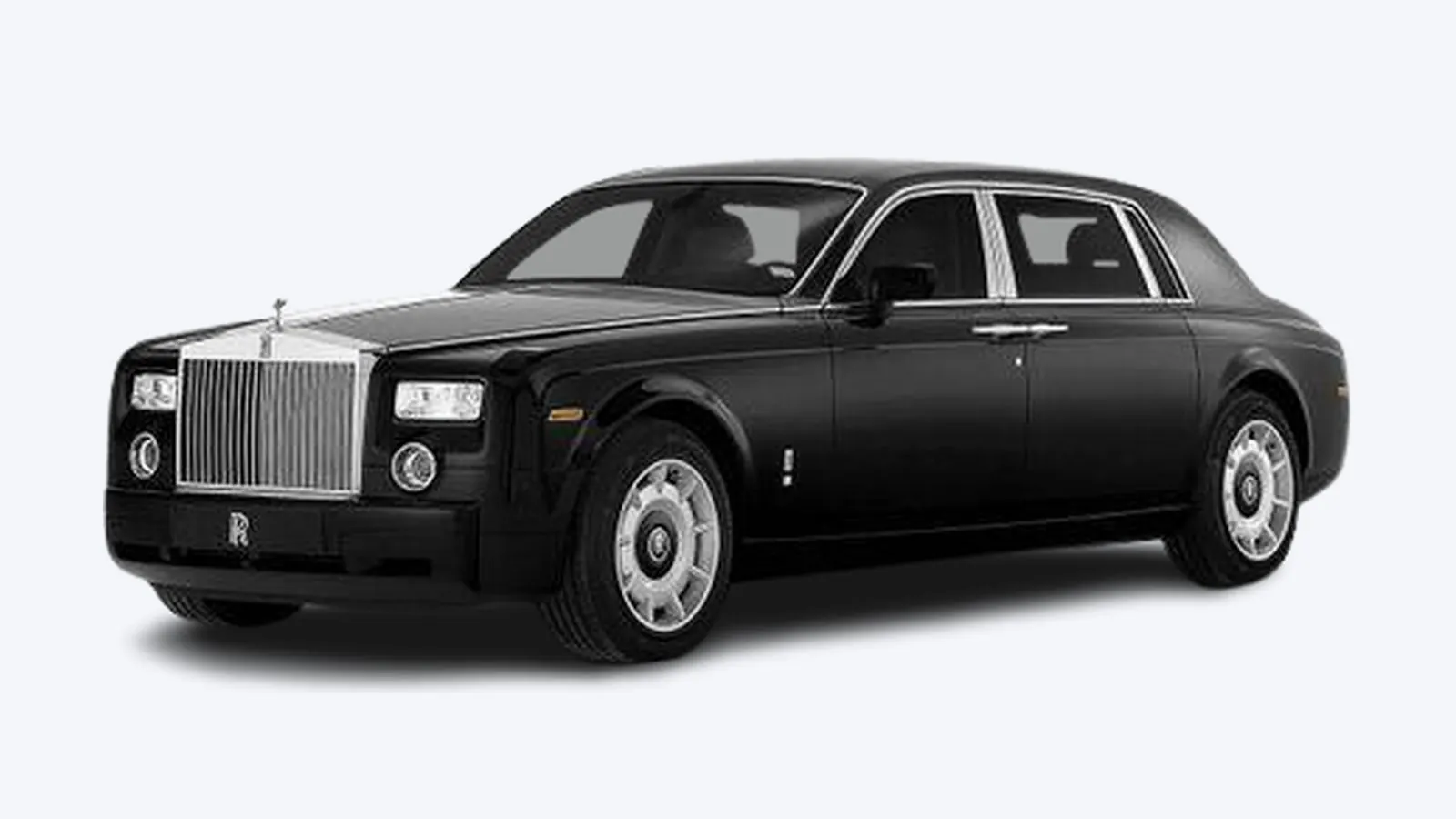
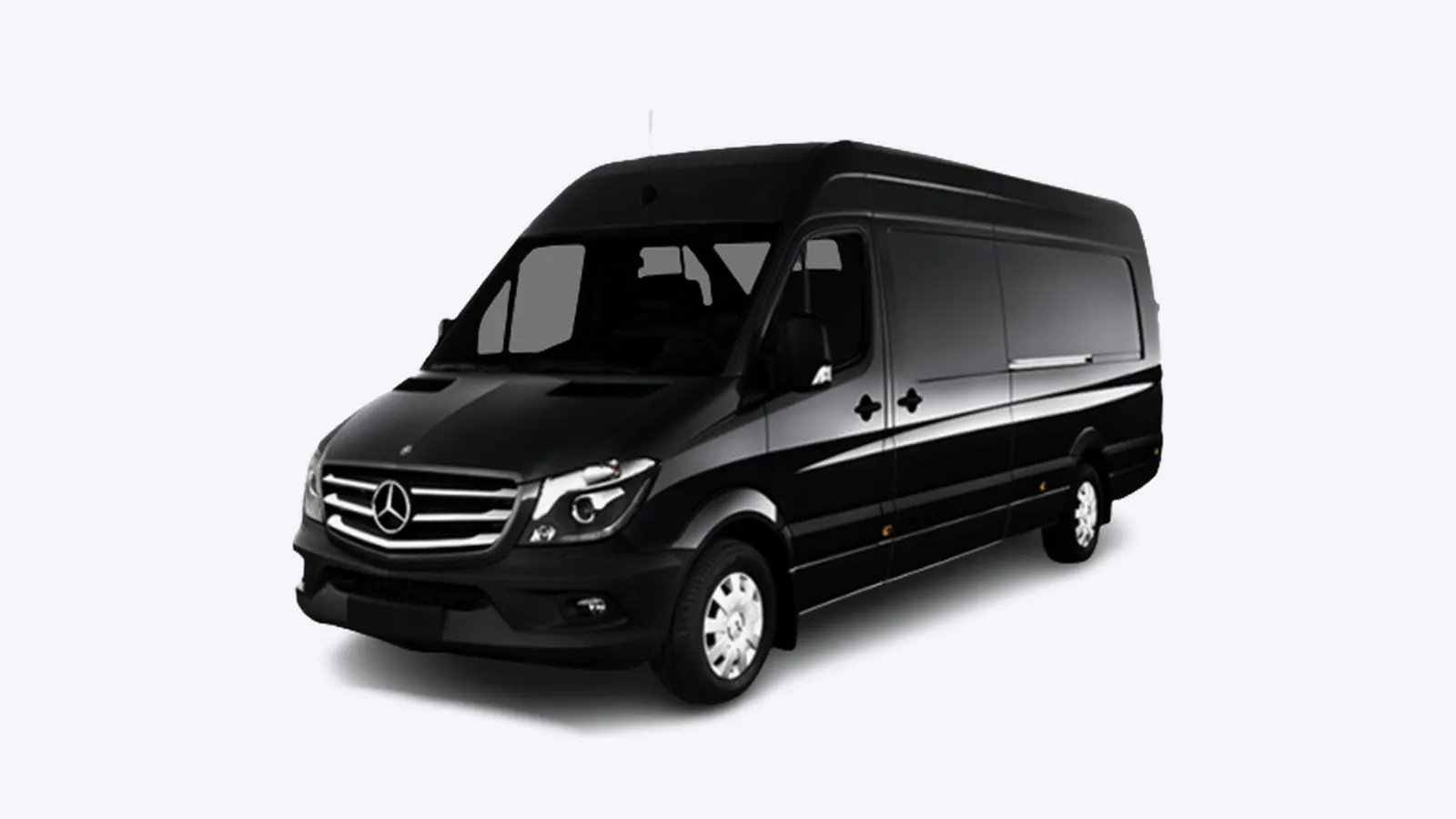
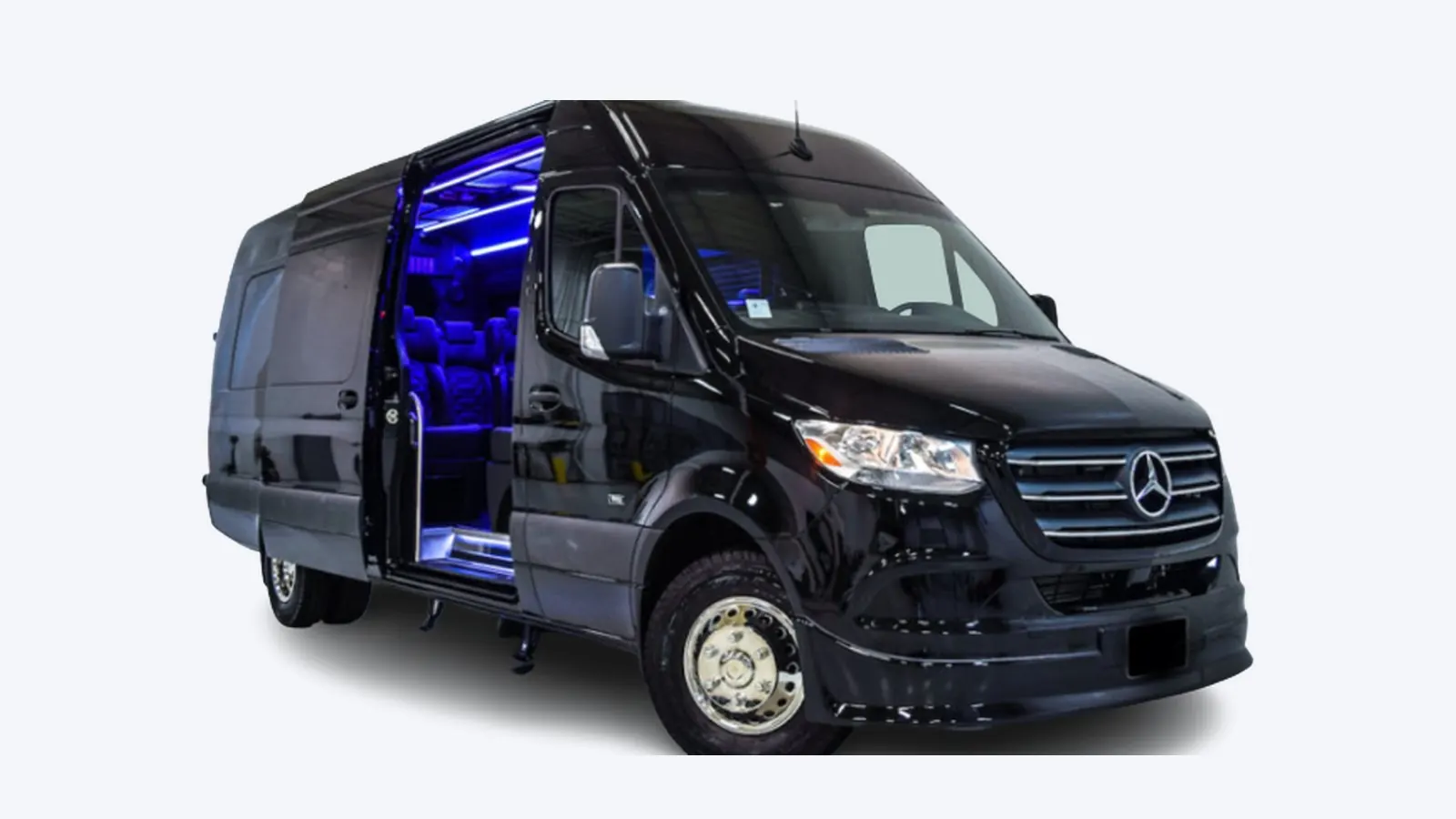
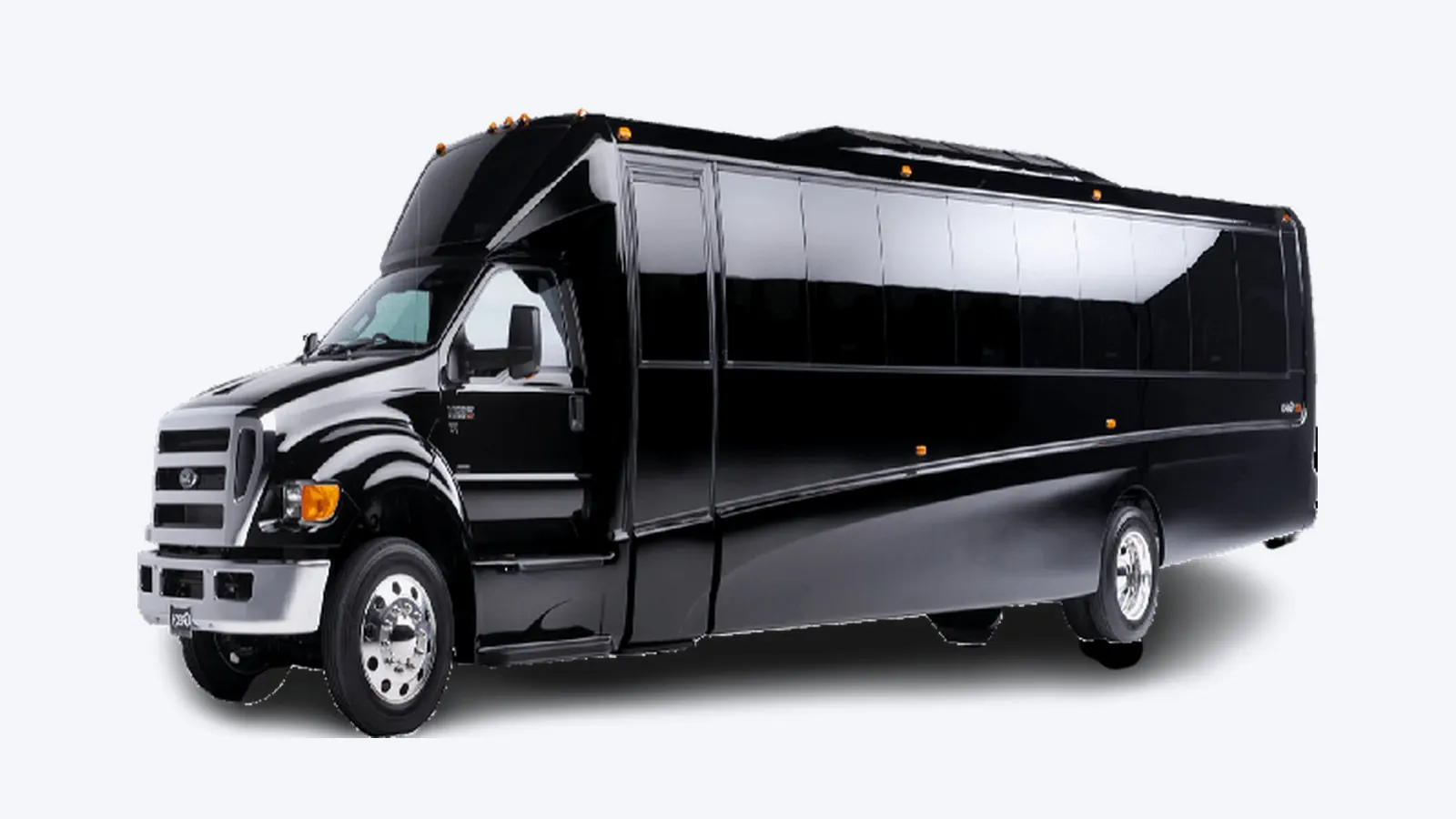
Most protected movements include unarmored vehicles as well: a follow car for the detail, a vehicle for staff, a car for luggage, a spare. These come from our standard classes at the published all-in rates, and they can be matched in model and colour so that the protected vehicle is not identifiable from outside.
| All-in rate, USD | Business sedan | First-class sedan | SUV Business | SUV First | Chauffeur only, your car |
|---|---|---|---|---|---|
| Within the city, per hour | $155 | $285 | $185 | $235 | $95 (4-hour minimum) |
| Out of town, per hour (+50%) | $232.50 | $427.50 | $277.50 | $352.50 | $142.50 |
| A 10-hour day within the city | $1,550 | $2,850 | $1,850 | $2,350 | $950 |
| Each mile beyond 93 in a day | $3 | $8 | $4 | $4 | not applicable |
Rates are in US dollars and include taxes and a 20% gratuity. Each day includes 93 miles; extra miles are $3, $4 or $8 by class, and tolls, parking and Wi-Fi are added at cost. Hours outside the city are billed at the rate plus 50%, with the chauffeur's hotel and a $100 travel allowance for overnight stays. For long programmes, the unarmored vehicles can be held on a monthly block.
If you own an armored vehicle
Some principals and families already own a protected car and need only the chauffeur. A security-trained chauffeur can be assigned to your own vehicle on the chauffeur-for-your-car programme; the coordinator confirms the insurance and the vehicle's documentation first and assigns a chauffeur experienced with protected vehicles of that weight and type. The rate for a chauffeur in your own car is published on that page; any additional security-driver requirement is quoted.
Cities and coordination
Armored engagements are coordinated from our desk for any city on the destinations list, with the protected vehicles sourced locally wherever the law and supply allow. Requests are handled by a small number of coordinators who work with security departments regularly, and the details of a request are never shared beyond them without consent. Corporate security departments planning travel abroad often draw on the country reporting of the Overseas Security Advisory Council when they write a vehicle specification.
Writing a vehicle specification
Security departments that send a clear specification receive a faster and more precise quote. A useful specification states the protection level required and the standard it refers to; the vehicle type and any model preference; whether the convoy should be uniform in model and colour; the number of protected and unprotected vehicles; the dates, the cities and the daily hours; whether the detail will ride in the protected vehicle or a follow car; the documentation the adviser needs to see; and any restriction on who may know the principal's identity. If some of this is not yet decided, the coordinator works with what is known and returns with options.
A protected visit, from request to departure
A security adviser contacts the desk ten days before a principal's two-day visit to a capital. The specification asks for one protected SUV, two unprotected SUVs of the same model and colour, and a security-trained chauffeur for each. The coordinator confirms which protected vehicles can lawfully be supplied in the city, sends the documentation the adviser asked for, and returns a written quote with each vehicle, chauffeur and day itemised. Once approved, the NDA is countersigned and the chauffeurs drive the routes at the hours of the movements two days before arrival. On the day, the convoy meets the principal at the private-aviation ramp, runs the programme as the detail directs and stands down only when the aircraft door has closed.
Protected vehicles and discretion
A protected vehicle should look like every other car on the street. We avoid anything that draws attention: no markings, no visible equipment, no flags unless the mission's protocol requires them, and convoys of matching vehicles so that the protected car cannot be picked out. Chauffeurs do not discuss the engagement, the vehicle or its specification with anyone outside the assignment, during or after it. Requests, specifications and quotes are handled by a small number of coordinators and are not stored beyond the period the agreement and the law require.
What we will not do
We will not supply a protected vehicle where it is unlawful, misrepresent a vehicle's protection, publish availability that we cannot confirm, or place an untrained driver behind the wheel of an armored car. We will not substitute a vehicle without the adviser's approval. When something cannot be done, the adviser hears that first and in plain terms, with the alternatives that remain.
Protected vehicles for events and travel days
Some principals need protection only on certain days: a public appearance, a court date, an annual meeting, a visit to a particular district. A protected vehicle can be quoted for those days alone, with unarmored vehicles from our standard classes for the rest of the programme. Others need protection only for the journey between two points - an airport and a residence, a residence and a venue. In each case the adviser's specification decides, and the quote covers exactly the days and movements specified.
Working with an in-house security team
Corporate and family security teams often have their own procedures, radios, codes and reporting lines. Our chauffeurs adopt them for the engagement: they take instructions from the detail leader, use the team's communication protocols, report vehicle checks in the team's format and hand over to the team's own drivers where the plan requires. The coordinator joins the team's planning call before the first movement and is on call throughout.
After the engagement
When the programme ends, the protected vehicle is returned to its operator, the chauffeurs stand down and the coordinator sends a single itemised invoice. Route notes, venue notes and any incident log are delivered to the security adviser and then deleted from our working files on the schedule set in the agreement, so nothing about the movements lingers in a system it does not need to be in.